
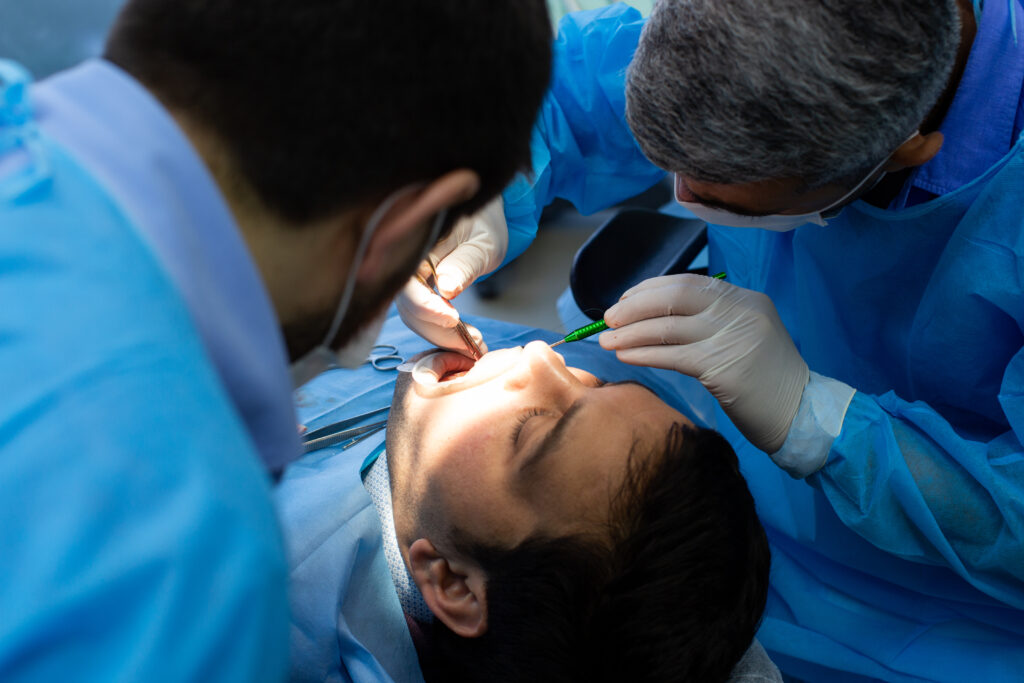
“Doctor, Will I Be Able to Eat Normally Again?”
“Will I be able to speak properly?”
“How will I look after surgery?”
These are often the first questions patients ask after being diagnosed with oral cancer or mouth cancer. Surprisingly, very few ask about the surgery itself. Most people are concerned about what happens after treatment—their ability to eat, speak, smile, work, and return to a normal life.
A diagnosis of oral cancer can be overwhelming. However, modern oral, head and neck cancer surgery is no longer focused only on removing cancer. Today’s treatment aims to cure the disease while preserving function, appearance, and quality of life.
Don’t Ignore the Early Warning Signs of Oral Cancer
Many patients tell us:
“I thought it was just an ulcer.”
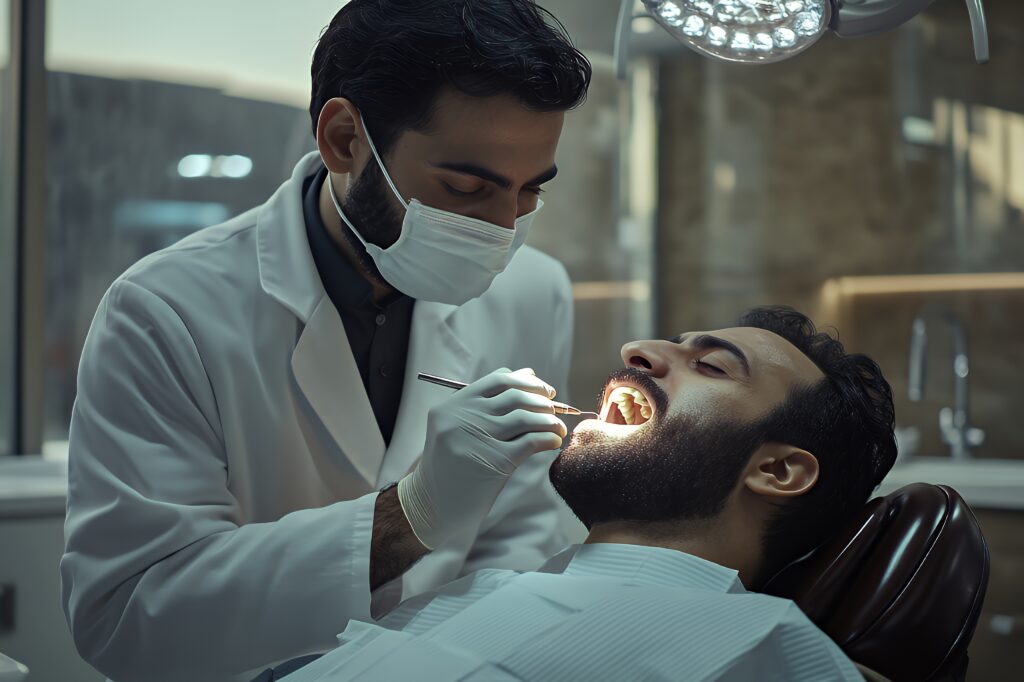
Unfortunately, a non-healing mouth ulcer is one of the most common early signs of oral cancer. If an ulcer persists for more than two weeks despite medication, it should be evaluated by a specialist.
Common Symptoms of Oral Cancer
- A white or red patch inside the mouth
- Reduced mouth opening
- Pain while chewing
- Difficulty swallowing
- Loose teeth without an obvious cause
- Persistent tongue discomfort
- A lump in the neck
Can Tobacco Cause Oral Cancer?
Yes.
In India, tobacco remains one of the leading causes of oral cancer. Whether it is chewing tobacco, gutkha, khaini, paan with tobacco, or smoking, long-term exposure significantly increases the risk of developing mouth cancer.
Chronic irritation from tobacco products can initially cause ulcers and precancerous changes which may eventually progress to cancer if ignored.
Understanding Oral and Head & Neck Cancer Surgery
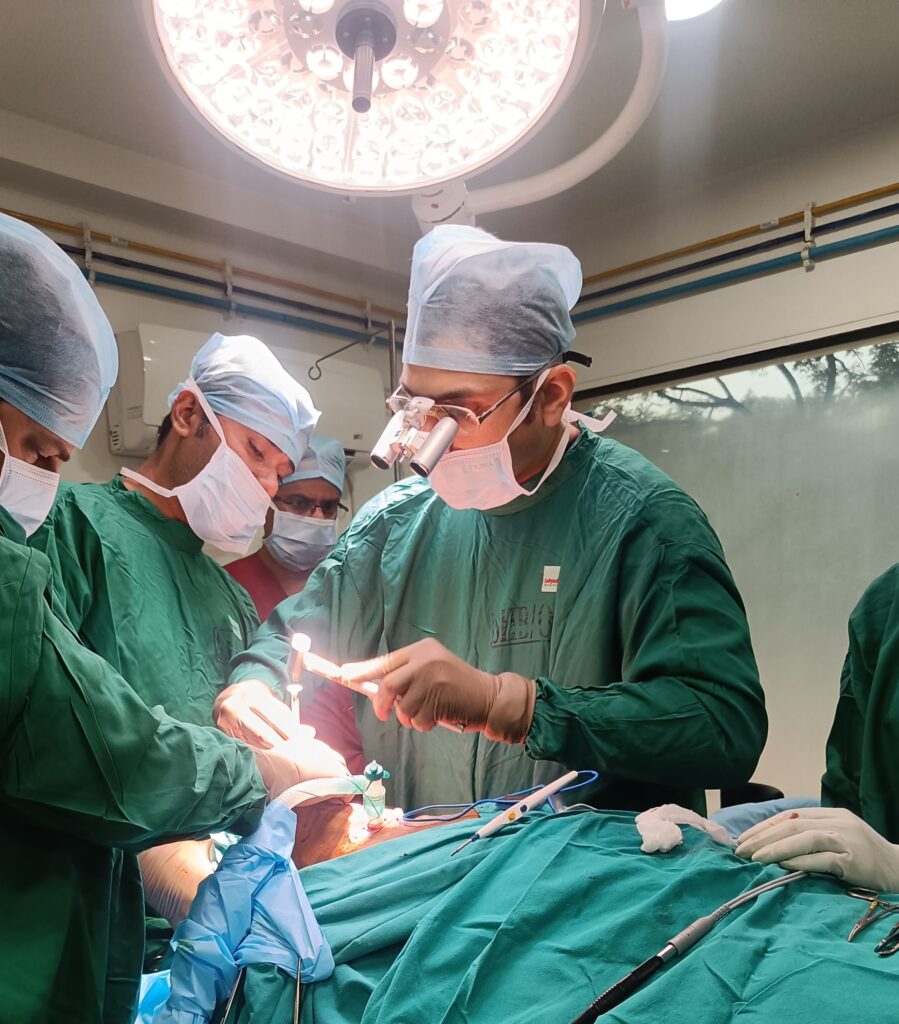
The primary goal of surgery is complete removal of the cancer while preserving as much healthy tissue and function as possible.
Depending on the location and stage of the disease, surgery may involve:
- Removal of a cancerous lesion from the mouth
- Partial tongue removal
- Removal of a portion of the jawbone
- Neck dissection to remove affected lymph nodes
- Reconstruction of tissues affected by cancer removal
Although this may sound intimidating, advances in surgical techniques have dramatically improved patient outcomes.
Many patients ask whether oral cancer can be cured. The answer depends on the stage of the disease, timely diagnosis, and appropriate treatment.
Reconstruction: Rebuilding More Than Tissue
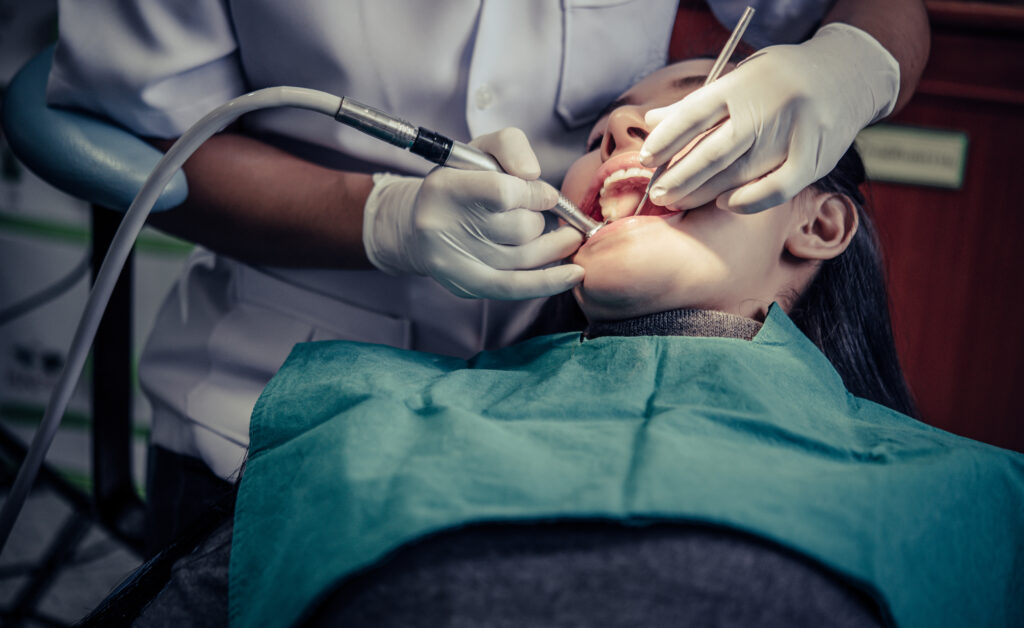
One of the biggest misconceptions is that oral cancer surgery always leaves patients permanently disfigured.
Modern reconstructive surgery enables surgeons to rebuild affected tissues using the patient’s own bone, skin, and blood vessels.
Advanced Reconstruction Techniques
Microvascular free flap reconstruction can help recreate:
- Jawbone structures
- Tongue tissues
- Cheek tissues
- Soft tissue defects
The goal is not simply to fill a defect but to restore appearance, function, and confidence.
Whenever possible, reconstruction planning begins before cancer surgery itself, allowing a coordinated treatment approach and improved long-term outcomes.
Why Speech and Swallowing Preservation Matters
For most patients, successful treatment means much more than removing cancer.
Success means being able to:
- Enjoy meals with family
- Speak comfortably
- Return to work
- Smile confidently
- Maintain independence
This is why preserving speech and swallowing functions is a critical part of treatment planning.
A multidisciplinary team often supports recovery, including:
- Oral & Maxillofacial Surgeons
- Head & Neck Cancer Surgeons
- Speech Therapists
- Nutritionists
- Prosthodontists
- Rehabilitation Specialists
With proper planning and rehabilitation, remarkable recoveries are possible.
Life After Cancer: Dental Rehabilitation
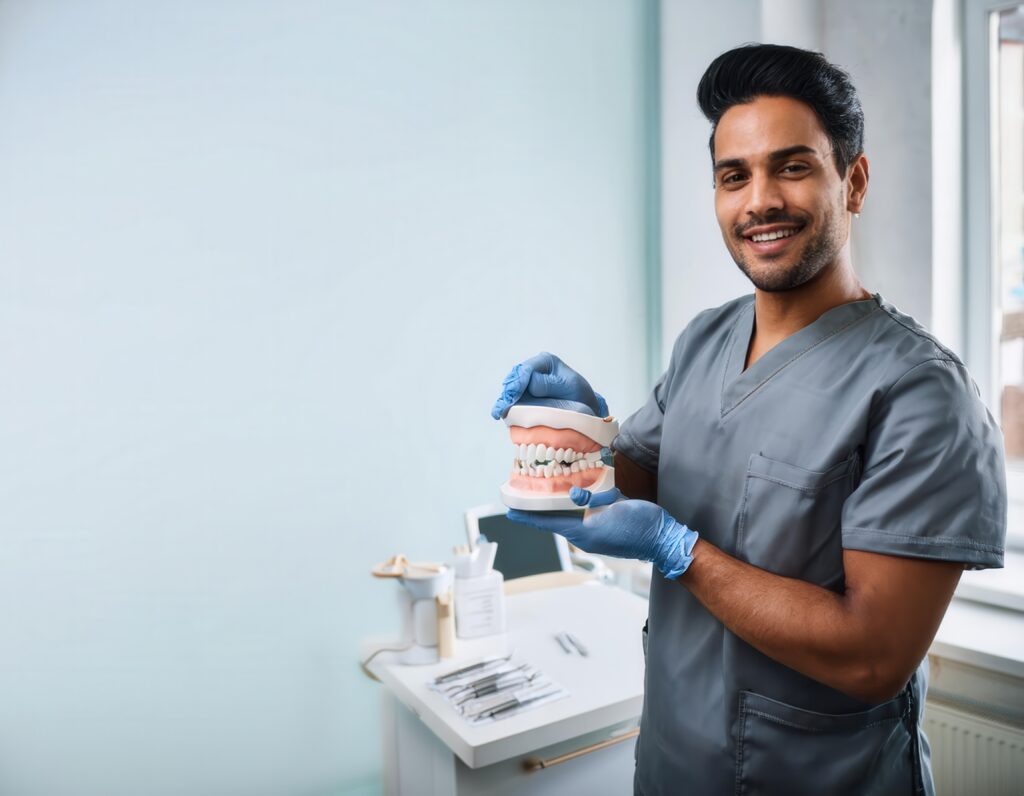
Treatment does not end after cancer removal and reconstruction.
For patients who lose teeth or portions of the jaw during treatment, dental rehabilitation after oral cancer surgery plays a vital role in restoring function and confidence.
Rehabilitation Options May Include:
- Specialised dentures
- Implant-supported prostheses
- Advanced dental implants
- Jaw rehabilitation procedures
Dental rehabilitation can significantly improve:
- Chewing efficiency
- Speech clarity
- Facial support
- Overall quality of life
Ideally, rehabilitation planning begins before surgery so both surgical and prosthetic teams can work together toward the best possible outcome.
Early Diagnosis Changes Everything
One of the most important messages for patients and families is simple:
Early Diagnosis Saves Lives
When oral cancer is detected early:
- Treatment is often less extensive
- Recovery is generally faster
- Functional outcomes are better
- Survival rates improve significantly
If you notice a persistent ulcer, reduced mouth opening, unexplained oral discomfort, or any unusual change inside the mouth, seek specialist evaluation without delay.
People who use tobacco or gutkha should never ignore persistent symptoms, as these habits significantly increase the risk of oral cancer.

Looking Beyond Cancer
Cancer treatment is not only about survival.
It is about helping people return to their families, careers, and everyday lives with dignity and confidence.
Today, oral, head and neck cancer surgery combines:
- Cancer removal
- Advanced reconstruction
- Speech preservation
- Swallowing rehabilitation
- Dental rehabilitation
The goal is simple:
Not just to remove cancer—but to help patients eat, speak, smile, and live well again.
About Dr. Ankit Shah
Dr. Ankit Shah is an Oral Cancer Surgeon in Pune, Maxillofacial Surgeon in Pune, and Oral Cancer Treatment Specialist in Pune, specializing in oral, head & neck cancer surgery, microvascular free flap reconstruction, facial reconstruction, and dental rehabilitation after oral cancer treatment. His approach focuses on comprehensive oral cancer care with the goal of preserving speech, swallowing, facial appearance, and long-term quality of life.